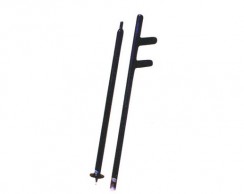
There are indeed many considerations for the material selection of enamel glass thermowells, which directly affect their performance, service life, and applicable scenarios. The following is a detailed analysis of the selection of materials for enamel glass thermowells:
1.Substrate selection
The substrate of enamel glass thermowells, namely the inner and outer pipes, is usually made of metal material. These metal materials need to have good mechanical properties to withstand harsh working environments such as high temperature and high pressure. Common metal substrates include:
Carbon steel: Carbon steel has good strength and weldability, and is one of the commonly used substrates for enamel glass thermowells. By using the enamel coating process, a dense enamel layer is formed on the surface of carbon steel, which can effectively improve its corrosion resistance.
Stainless steel: Stainless steel has excellent corrosion resistance and is suitable for applications that require high corrosiveness of the medium. The combination of stainless steel substrate and enamel layer can further enhance the corrosion resistance and service life of enamel heat pipes.
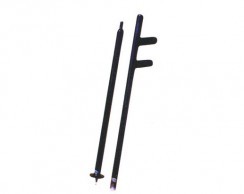
2.Enamel glass layer material
The enamel layer is the core part of the enamel glass thermowell, and its material selection directly determines the corrosion resistance and service life of the sleeve. The enamel layer material is mainly composed of silicon dioxide as the main component, which is made of glass glaze and fired at high temperature. This glassy glaze has excellent chemical stability and can resist the erosion of various corrosive media such as acids, alkalis, and salts.
When choosing the material for the enamel layer, the following factors need to be considered:
1. Corrosion resistance: Select the appropriate enamel layer material based on the corrosiveness of the medium to ensure that the casing can operate stably for a long time in harsh environments.
2. Thermal stability: The enamel layer needs to have good thermal stability to withstand temperature changes in high temperature environments without cracking or peeling.
3. Adhesion: The adhesion between the enamel layer and the metal substrate is also an important factor to consider when selecting materials. Good adhesion can ensure that the enamel layer is not easily peeled off during long-term use.
3.Other considerations
In addition to the substrate and enamel layer materials, the following factors need to be considered when selecting enamel glass thermowell materials:
1. Medium temperature: The temperature of the medium will affect the performance and service life of the enamel layer. Therefore, when selecting materials, it is necessary to understand the temperature range of the medium and choose enamel layer materials that can withstand this temperature range.
2. Medium flow rate: The flow rate of the medium can also affect the wear of the enamel layer. In high-speed flowing media, it is necessary to choose enamel layer materials with better wear resistance.
3. Cost: The cost of different materials varies greatly, and when choosing, it is necessary to comprehensively consider factors such as performance, service life, and cost to select the material with the highest cost-effectiveness.
4.Summary
In summary, the selection of materials for enamel glass thermowells requires comprehensive consideration of the substrate, glass lined layer material, and other relevant factors. By selecting appropriate materials, it is possible to ensure that enamel glass thermowells have good corrosion resistance, thermal stability, and service life, thereby meeting the needs of various industrial fields.


 Address:Room 1202, Detaitang Building, No. 118 Huaguang Road, Zhangdian District, Zibo, Shandong
 WhatsApp:+8613386433135
 Tel: +8613386433135