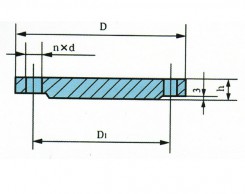
As a key component in chemical equipment, the sealing performance of glass lined flange covers directly affects the safety and stability of the production process. In order to ensure the sealing performance of the
glass lined flange cover, comprehensive consideration and implementation are needed from multiple aspects such as design, material selection, installation, maintenance, and testing.
1. Reasonable design structure
The design structure of the glass lined flange cover should be reasonable to ensure a tight and reliable connection between the flange cover and the equipment body. The sealing surface of the flange cover should be of appropriate shape and size to facilitate a good fit with the gasket and achieve effective sealing effect. At the same time, the strength and stiffness of the flange cover should be considered during design to avoid sealing failure due to uneven stress or deformation during use.
2. High quality material selection
The material selection of glass lined flange cover and its gasket is crucial. The flange cover body should be made of corrosion-resistant, high-temperature resistant, and high-strength enamel glass composite material to ensure its long-term stable operation in harsh chemical environments. The gasket should be made of high-quality materials with good elasticity, corrosion resistance, and high temperature resistance, such as graphite pads, PTFE pads, or metal wrapped pads. These materials can effectively resist the corrosion and high temperature effects of the medium, thereby maintaining the sealing performance of the gasket.
3. Standardized installation procedures
The installation process of glass lined flange cover should be strictly operated in accordance with relevant standards and specifications. Before installation, it is necessary to check whether the specifications and models of the flange cover and gasket match the equipment body, and ensure that their surfaces are flat, free of cracks or damage. When installing, tighten according to the prescribed tightening sequence and torque to avoid seal failure caused by uneven tightening. At the same time, attention should be paid to keeping the flange connection clean and dry to avoid medium leakage or corrosion of the gasket.
4. Regular maintenance and inspection
In order to ensure the long-term sealing performance of the glass lined flange cover, regular maintenance checks are required. The inspection includes the sealing performance of the flange cover, the integrity of the gasket, and the presence of cracks, corrosion, and other phenomena. If aging, cracking, or damage is found in the gasket, it should be replaced in a timely manner to ensure the sealing performance of the equipment. In addition, attention should be paid to keeping the flange connection clean and dry to avoid damage to the equipment caused by medium leakage.
5. Effective detection methods
In addition to the above measures, effective detection methods can also be used to monitor the sealing performance of the glass lined flange cover. Common detection methods include pressure testing, bubble detection, and leakage rate testing. These methods can intuitively reflect the sealing status of the flange cover, thereby promptly identifying and addressing potential sealing issues.
In summary, ensuring the sealing performance of glass lined flange covers requires comprehensive consideration and implementation from multiple aspects such as design, material selection, installation, maintenance, and testing. Only in this way can we ensure that the glass lined flange cover plays a stable and reliable sealing role in chemical equipment, ensuring the safety and stability of the production process.


 Address:Room 1202, Detaitang Building, No. 118 Huaguang Road, Zhangdian District, Zibo, Shandong
 WhatsApp:+8613386433135
 Tel: +8613386433135